
Key takeaways
- You use wipes 8 to 10 times a day. What the wipe is made from matters as much as what it is soaked in.
- Most standard wipes contain plastic fibres, synthetic preservatives, and fragrance that serve no cleaning purpose and carry irritation risk for newborn skin.
- Plant-based wipes use biodegradable cellulose and a simpler formula. Water-only wipes clean, but plant-based formulas with aloe vera, chamomile, and calendula soothe and protect as well.
- Marketing words like “gentle” and “natural” are not regulated. Independent certifications are the only reliable way to verify safety claims.
- The switch from standard to plant-based wipes is one of the simplest changes you can make for your baby's skin.
Introduction
You use wipes more than almost any other baby product, 8 to 10 times a day, every day, and most parents never check what the wipe is made from. Once you know what to look for, choosing safer wipes is one of the simplest switches you can make. This guide compares what standard wipes contain with what plant-based alternatives offer, how to verify safety claims, and whether the switch is worth it for your baby's skin.
What standard baby wipes actually contain

Standard baby wipe packaging showing a long ingredient list on the back.
Most standard wipes share a similar construction, and the ingredients that keep them cheap and shelf-stable are not always kind to newborn skin.
- Plastic fibres in the cloth. Most standard wipes are made from polyester, polypropylene, or a blend of synthetic fibres. These plastic-based cloths do not biodegrade and can feel rougher against delicate skin compared with plant-based alternatives. Many parents do not realise the wipe cloth itself contains plastic.
- Synthetic preservatives and fragrance. Standard wipes often contain preservatives like phenoxyethanol, parabens, or methylisothiazolinone (MIT) to extend shelf life, plus added fragrance. These serve no cleaning purpose and carry irritation risk for babies with sensitive or eczema-prone skin.
- Hidden chemicals on the label. Terms like "gentle" and "natural" are not regulated. A wipe can be labelled natural and still contain synthetic surfactants, fragrance masking agents, or optical brighteners. The only reliable check is the full ingredient list and independent certifications.
What makes plant-based wipes different?

Offspring Plant-Based Wipes, 100% plastic-free cloth texture and 99% water formula.
The difference between plant-based and standard wipes goes beyond the label. It is in both the cloth and the formula.
The cloth: Plastic-free vs plastic
Plant-based wipes use biodegradable cellulose from sources like sustainably managed forests, instead of synthetic polyester or polypropylene. This plant cellulose is fully biodegradable, 100% plastic-free, and gentle against newborn skin. Standard wipes labelled "biodegradable" may still contain a blend of plant and plastic fibres. Only wipes certified 100% plastic-free at an independent laboratory have eliminated plastic entirely.
The formula: 99% water vs added chemicals
Plant-based wipes typically use a simpler formula, 99% purified water combined with gentle botanical ingredients like aloe vera, chamomile, and calendula. Standard wipes rely on longer ingredient lists with synthetic cleaning agents, fragrance, and stronger preservatives to achieve the same result. For newborns and babies with sensitive skin, fewer ingredients means fewer potential triggers.
Water-only wipes clean effectively, but plant-based formulas go further by actively soothing and protecting the skin at every change. Aloe vera calms inflammation, chamomile soothes irritation, and calendula supports skin barrier repair. All three are gentle on newborn skin and have been used in baby skincare for their soothing properties.
How to tell if baby wipes are genuinely safe
Marketing words like "gentle" and "hypoallergenic" are not enough. Here is how to verify.
- Check the certification, not just the claim. Independent certifications like Australian Allergy Certified, EWG Verified, Dermatest, and Made Safe require ingredient review, safety testing, and ongoing compliance. A wipe carrying multiple independent certifications has been verified by third parties, not just stated by the brand.
- Check what is free from. Look for wipes that are free from fragrance, alcohol, chlorine, parabens, phthalates, phenoxyethanol, and optical brighteners. The standard to look for is "free from 46 nasties" or a similarly comprehensive exclusion list.
- Check the cloth material. "Plant-based" on the label does not always mean 100% plastic-free. Look for wipes where the cloth has been independently tested and certified plastic-free at a laboratory.
Are plant-based wipes safe for oral use?

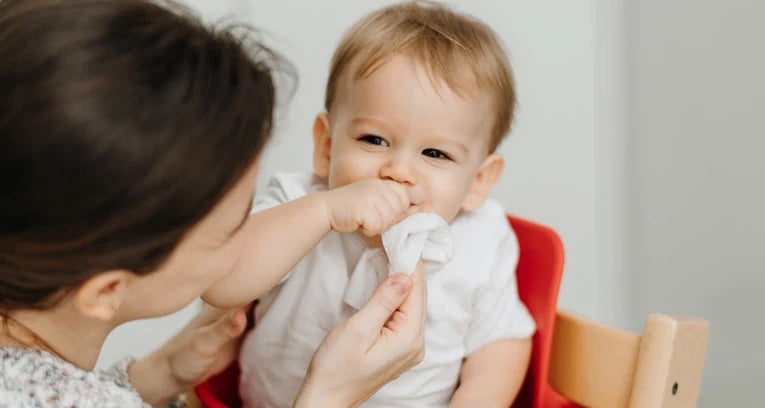
Baby mouthing an Offspring wipe, oral-safe tested.
Babies put everything in their mouths, including their own hands and anything you have just wiped. What is on the wipe matters beyond the diaper area.
Most standard wipes are not tested for oral safety. Plant-based wipes that are oral toxicity tested and certified safe for cleaning a baby's mouth, teeth, and gums offer an additional layer of reassurance for parents. This is especially relevant for newborns, whose hand-to-mouth behaviour means the wipe formula can be swallowed indirectly.
For a deeper guide on whether baby wipes are oral safe and what to check, read: Are Wet Wipes Oral Safe For Babies?
Plant-based vs standard wipes: How they compare
| Feature | Standard wipes | Plant-based wipes |
|---|---|---|
| Cloth material | Plastic fibres (polyester, polypropylene) | Plant cellulose (biodegradable) |
| Formula | Synthetic preservatives + fragrance | 99% purified water + botanicals |
| Certifications | Varies | Independently certified (EWG, Australian Allergy, Dermatest, Made Safe) |
| Oral safety | Typically not tested | Oral toxicity tested |
| Environmental impact | Non-biodegradable plastic | 100% biodegradable, plastic-free |
| Skin suitability | May contain irritants | Formulated for sensitive and newborn skin |
For babies with sensitive or newborn skin, the combination of a plastic-free cloth and a minimal, certified formula reduces the daily chemical contact that standard wipes deliver at every change and lowers the risk of irritation from harsh ingredients. In tropical climates, where frequent changes mean more wipes per day, the difference compounds quickly.
Offspring Plant-Based Wipes are made with 99% purified water on 100% biodegradable plant cellulose from Austria, with organic aloe vera, chamomile, and calendula, and free from 46 nasties including fragrance, alcohol, parabens, and chlorine. They are Australian Allergy Certified, EWG Verified, Dermatest certified, Made Safe certified, Australian Toxin-Free certified, and oral toxicity tested for safe cleaning of baby's mouth, teeth, and gums.
What if your baby's skin still reacts after switching wipes?
Most wipe-related skin irritation resolves quickly once you switch to a fragrance-free, plant-based wipe. See your paediatrician if:
- Redness or irritation persists after switching wipes.
- You notice a reaction pattern that appears shortly after wiping.
- There are signs of contact dermatitis: red, inflamed patches that follow the area the wipe touched.
- The irritation does not improve despite stopping the wipe and allowing the skin to recover.
Trust your instincts. If your baby's skin reacts to wipes despite switching to a certified plant-based option, a paediatrician can check for underlying sensitivity.
FAQs: Plant-based baby wipes
Are plant-based wipes better for newborn skin?
Yes. Plant-based wipes use a simpler formula and a gentle, plastic-free cloth, which reduces the number of chemicals and irritants contacting your baby's skin at every change.
Are baby wipes with 99% water safe?
Yes, provided the remaining ingredients are gentle and independently certified. A 99% water formula with botanical ingredients like aloe vera and chamomile is safer than a standard wipe with synthetic preservatives and fragrance.
What chemicals should I avoid in baby wipes?
Fragrance, alcohol, chlorine, parabens, phthalates, phenoxyethanol, methylisothiazolinone (MIT), and optical brighteners. Look for wipes with a comprehensive "free from" list and independent certifications.
Are plant-based wipes biodegradable?
Yes, if they are made from 100% plant cellulose with no plastic fibres. Check for independent plastic-free certification at a laboratory, as some wipes labelled "biodegradable" still contain a blend of plant and plastic. Biodegradable does not mean flushable. Plant-based wipes should always be disposed of in the bin, not the toilet.
Can I use baby wipes on my newborn's face and hands?
Yes, provided the wipe is fragrance-free, gentle, and independently certified for sensitive skin. For cleaning around the mouth, look for wipes that are oral toxicity tested.
Are plant-based wipes more expensive than standard wipes?
They can cost slightly more per wipe, but many parents find they use fewer plant-based wipes per change because the cloth retains more liquid and covers more area. The real cost comparison should include fewer skin reactions and fewer creams needed to manage irritation.
Conclusion
The wipe you use at every change either protects your baby's skin or adds to the daily chemical contact. Plant-based wipes with a plastic-free cloth, minimal formula, and independent certifications offer a genuinely safer alternative to standard wipes for newborn and sensitive skin. The switch is simple, and the difference compounds with every change.
Explore Offspring's plant-based wipes range to find the right fit for your baby. Wipes are available from 10 sheets for parents who want to try before committing to a larger pack.


