
Key takeaways
- Normal baby poop ranges in colour from yellow and green to brown, depending on age and feeding type.
- A baby poop colour chart helps parents quickly identify healthy shades and spot warning colours like white, red, or black.
- Consistency matters just as much as colour: healthy baby poop ranges from loose and seedy to soft and formed, while watery or hard, dry stools may need attention.
- Breastfed and formula-fed babies produce noticeably different poop in colour, consistency, and smell.
- Most variations are completely normal, but persistent changes or warning colours should always be checked by a doctor.
Introduction
Checking your baby's nappy might not be glamorous, but your baby's poop can tell you a lot about their health and digestion. A baby poop chart is one of the simplest tools to help you understand what is normal and what might need attention.
From the first dark, sticky meconium to the softer, lighter stools that follow, your baby's poop will change in colour, consistency, and frequency as they grow. Knowing what to expect at each stage can save you unnecessary worry and help you spot early signs that something may need a closer look.
In this article, we will walk you through what normal baby poop looks like, a colour guide to healthy and unhealthy stools, how poop changes by age and feeding type, what different consistencies mean, and when it is time to see a doctor.
What does normal baby poop look like?

One of the most common questions new parents ask is what healthy baby poop looks like, and the good news is that there is a wide range of normal. Normal baby poop can be yellow, green, or brown, and the texture can range from runny and seedy to soft and paste-like.
Colour, consistency, and frequency will all vary depending on your baby's age, feeding type, and diet. If your baby is feeding normally, gaining weight, and seems content, their poop is most likely perfectly healthy.
Baby poop colour chart

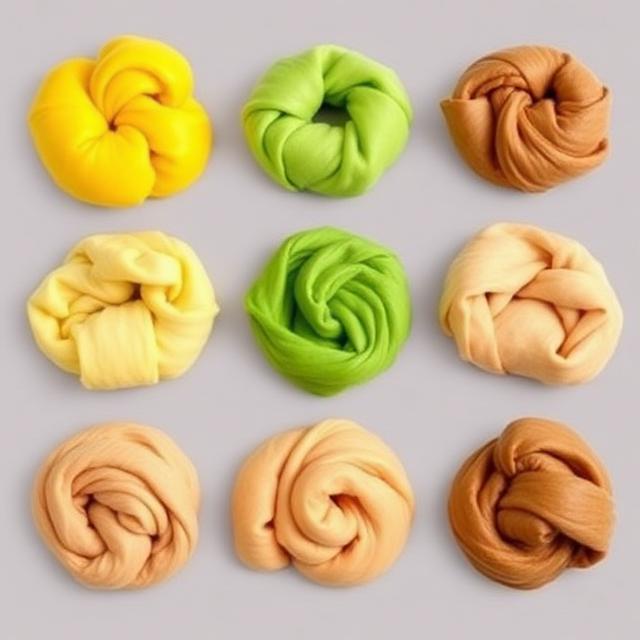
Colour is the quickest way to assess whether your baby's poop is healthy. This baby poop colour chart with pictures covers the full spectrum, from perfectly normal shades to colours that need a doctor's attention. Use this poop colour chart as a handy reference whenever you are unsure.
Normal poop colours
These are all healthy shades you may see depending on your baby's age and diet:
- Yellow or mustard: Common in breastfed babies, often with a seedy or grainy texture. This is one of the most frequently seen colours in the first few months.
- Green: Normal in formula-fed babies, during dietary changes, or in the early days as meconium transitions. A greenish tinge on its own is rarely a concern.
- Light brown or tan: Common in formula-fed babies and after starting solids. A soft, tan-coloured stool is typical as your baby's diet expands.
- Dark brown: Typical once your baby is eating a varied solid diet. The darker shade comes from a wider range of foods being digested.
- Orange: Often caused by foods like carrots, sweet potatoes, or pumpkin. Completely normal and nothing to worry about.
Warning poop colours
These colours are less common but worth knowing. If you notice any of the following, it is best to have your baby checked:
- Red: May indicate small amounts of blood, which could be from a minor anal fissure or something that needs further assessment. Always worth a doctor's review.
- Black (after the first few days): Black, tarry meconium is normal on day 1 to 3. After that, black stool should be checked by a doctor promptly.
- White, pale, or chalky: This is the most important warning colour. Pale or chalky stool may indicate a liver or bile duct issue and should always be seen by a doctor without delay.
Baby poop chart by age

Your baby's poop changes significantly from birth to toddlerhood. Each stage brings shifts in colour, texture, and frequency, all driven by your baby's growth, feeding type, and diet.
Newborn poop (first few days)
Your newborn's poop goes through three noticeable stages in the first few days:
- Meconium (day 1 to 2): Your baby's first poop is thick, sticky, and black-green. This is completely normal and made up of everything your baby ingested in the womb.
- Transitional (day 2 to 4): As your baby begins feeding, the stool shifts to a dark greenish-brown and becomes less sticky. This is a healthy sign that digestion is getting started.
- Regular (day 4 onwards): Poop settles into yellow, green, or tan, depending on whether your baby is breastfed or formula-fed.
Baby poop (1–6 months)
By this stage, patterns begin to settle. Frequency varies widely, from several times a day to several days between bowel movements, and both are perfectly normal. Colour typically stays within the yellow, green, and brown range, and consistency remains soft or loose.
Baby poop after starting solids (6+ months)
Once solids are introduced, poop becomes firmer, darker, and more varied in colour. You may notice undigested food pieces in the nappy, which is completely normal as your baby's digestive system learns to process new textures. Smell also gets noticeably stronger.
Certain foods can temporarily change stool colour, for example, beetroot may produce red, blueberries can cause dark stools, and carrots often turn poop orange.
Breastfed vs formula-fed baby poop
The feeding method is the biggest factor in how your baby's poop looks. Knowing the difference helps you understand what is normal for your little one.
Breastfed baby poop
Breastfed baby poop colour is typically yellow or mustard, with a seedy or grainy texture that can look loose or runny. The smell is usually mild compared to formula-fed stools. Some breastfed babies poop after every feed, while others may go several days between bowel movements, and both are completely normal.
Formula-fed baby poop
Formula-fed baby poop is typically tan, yellow-brown, or slightly greenish. The texture is firmer and more paste-like than breastfed poop, and the smell tends to be stronger. Most formula-fed babies follow a more regular schedule, passing stools once or twice a day. Switching formula brands can temporarily change the colour and consistency, so allow a few days for things to settle.
Baby poop consistency chart

Consistency matters just as much as colour when checking your baby's poop. This baby poop consistency chart covers the full spectrum, so you know what is normal and what may need attention:
- Watery or very runny: May indicate diarrhoea. Monitor your baby carefully for signs of dehydration and see a doctor if it persists.
- Loose and seedy: Normal for breastfed babies. This soft, grainy texture is one of the most common consistencies in the early months.
- Soft and paste-like: Normal for formula-fed and older babies. A smooth, soft stool is a healthy sign.
- Formed and soft: Typical once your baby is eating solid foods. Easy to pass and well-shaped.
- Hard, dry, or pellet-like: May indicate constipation. If your baby is straining or uncomfortable, speak to your doctor.
- Mucus or slimy streaks: Small amounts are normal, especially during teething or colds. Persistent large amounts are worth checking with a doctor.
A persistent change over several days matters more than one unusual nappy.
When to see a doctor?
Most changes in your baby's poop are perfectly normal and will settle on their own. However, see your paediatrician if you notice any of the following:
- White, pale, or chalky poop: This can signal a problem with the liver or bile ducts. Always seek advice promptly.
- Blood in stool: Red streaks may come from a small tear, while black tarry stool after the first few days could mean digested blood. Both need checking.
- Persistent diarrhoea (24+ hours): Especially if your baby has fewer wet nappies, dry lips, or seems unusually drowsy, as these are signs of dehydration.
- Hard, dry stools: If your baby is straining or in pain during bowel movements over several days, this may point to constipation.
- Sudden persistent change: Any ongoing shift in colour, consistency, or frequency that does not settle within a few days.
- Baby unwell: Refusing feeds, running a fever, or seeming distressed alongside poop changes.
When in doubt, trust your instincts. A single unusual nappy is rarely a concern, but if something persists or does not feel right, it is always better to have it checked.
FAQs — Baby poop
How often should a newborn poop?
Newborns often poop after every feed, which can mean several times a day. After about six weeks, some breastfed babies may go several days between bowel movements, and this is completely normal as long as they are gaining weight and seem comfortable.
Is green baby poop normal?
Yes. Green poop is common in formula-fed babies, during dietary changes, and in the early days as meconium transitions. It is rarely a concern on its own.
Why does my baby's poop change after starting solids?
New foods introduce different nutrients and fibres that your baby's digestive system is learning to process. This changes the colour, texture, smell, and frequency of their poop.
Why is my breastfed baby peeing but not pooping?
Breast milk is highly digestible, so some breastfed babies produce very little waste. As long as your baby is peeing regularly, gaining weight, and seems comfortable, going several days without a poop is normal.
How to know if my baby is constipated?
Signs include hard, dry, or pellet-like stools, straining or crying during bowel movements, and a firm or bloated tummy. If this continues over several days, speak to your paediatrician.
What do white "seeds" in the poop mean?
White seeds or flecks in baby poop are simply undigested milk fat or curdled milk protein. This is very common in breastfed babies and is completely normal.
Why is the first poop black and sticky?
Your baby's first poop is called meconium. It is made up of everything your baby ingested in the womb, including amniotic fluid and bile, which gives it the thick, sticky, black-green appearance.
Conclusion
Your baby's poop will change in colour, consistency, and frequency as they grow, and most of what you see is completely normal. Healthy stools range from yellow and green to brown, and texture shifts naturally with age, feeding type, and diet. The key warning signs to watch for are white, red, or black stools, persistent diarrhoea, ongoing constipation, or any sudden change that does not settle. When in doubt, trust your instincts and speak to your paediatrician.
With so many nappy changes ahead, choosing gentle products makes a real difference for your baby's skin. Explore Offspring's chlorine-free baby diapers, designed with a high absorbency rate to keep your baby's skin dry and comfortable, and plant-based wipes for a kinder, cleaner change every time. For personalised guidance, get in touch with the Offspring team.


